
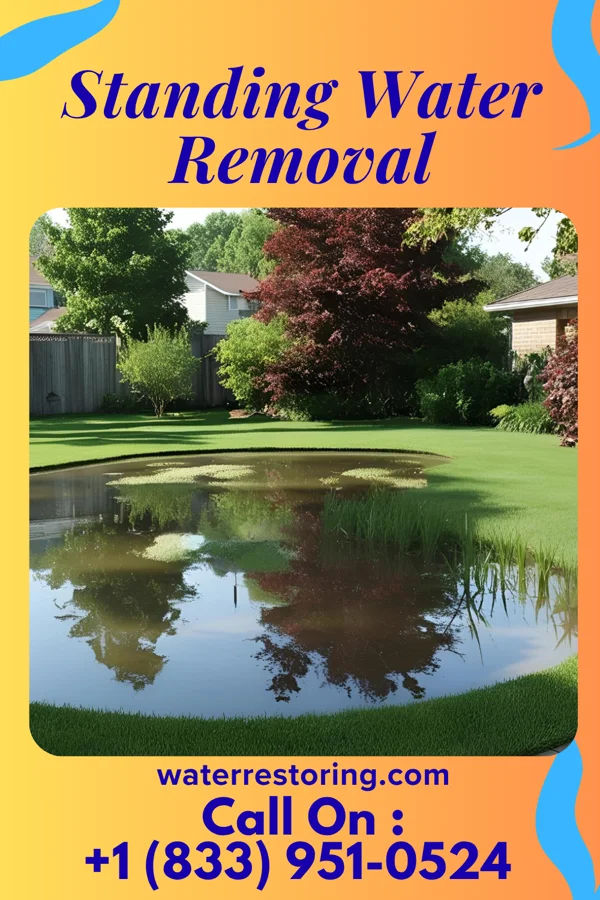
Standing Water Across Crown Point Neighborhoods
Every neighborhood in Crown Point has a different water damage risk profile. The one that shows up on most restoration calls is In Crown Point, Alaska, the primary water damage cause is often due to sudden flooding from nearby rivers and streams, particularly during the spring thaw or heavy rainfall events. Additionally, leaking pipes in rural homes, especially in older structures, contribute significantly to water damage incidents.. A close second is Secondary causes include malfunctioning sump pumps, which can lead to basement flooding, and improper drainage around properties, leading to water seepage into foundations. Winter ice dams on roofs can also cause water infiltration in the area..
Crown Point experiences a subarctic climate with long, cold winters and short, cool summers, increasing the risk of frozen pipes and thaw-related flooding. The region's proximity to the Kenai Peninsula and the Gulf of Alaska also makes it vulnerable to coastal storms and heavy precipitation.
Water damage in Crown Point follows a few local patterns. In Crown Point, Alaska, the primary water damage cause is often due to sudden flooding from nearby rivers and streams, particularly during the spring thaw or heavy rainfall events. Additionally, leaking pipes in rural homes, especially in older structures, contribute significantly to water damage incidents. accounts for the bulk of our calls. Crown Point experiences a subarctic climate with long, cold winters and short, cool summers, increasing the risk of frozen pipes and thaw-related flooding. The region's proximity to the Kenai Peninsula and the Gulf of Alaska also makes it vulnerable to coastal storms and heavy precipitation. Mold growth in Crown Point can occur rapidly due to the high humidity levels and frequent temperature fluctuations, making it crucial to address water damage within 48 hours to prevent extensive mold infestation and structural damage.
For public guidance on the health effects of mold after prolonged water exposure, see the EPA mold and health page.